worms
maternal histories and politics (with a very brief detour to Prince Edward Island)

I’ve spent a most glorious few days introducing Prince Edward Island to friends visiting from England (neither is English, though!).
One of them had been waiting to visit the land of Anne for fifty years, and she could barely contain her excitement. Let’s just say that costumes were involved and that a straw hat with orange pigtails will be travelling to London in a couple of weeks. She’s a singer, so I also introduced her to “Ice Cream,” from Anne of Green Gables: The Musical which we sang with great gusto alongside “Bud the Spud” while we were driving the backroads of the island.
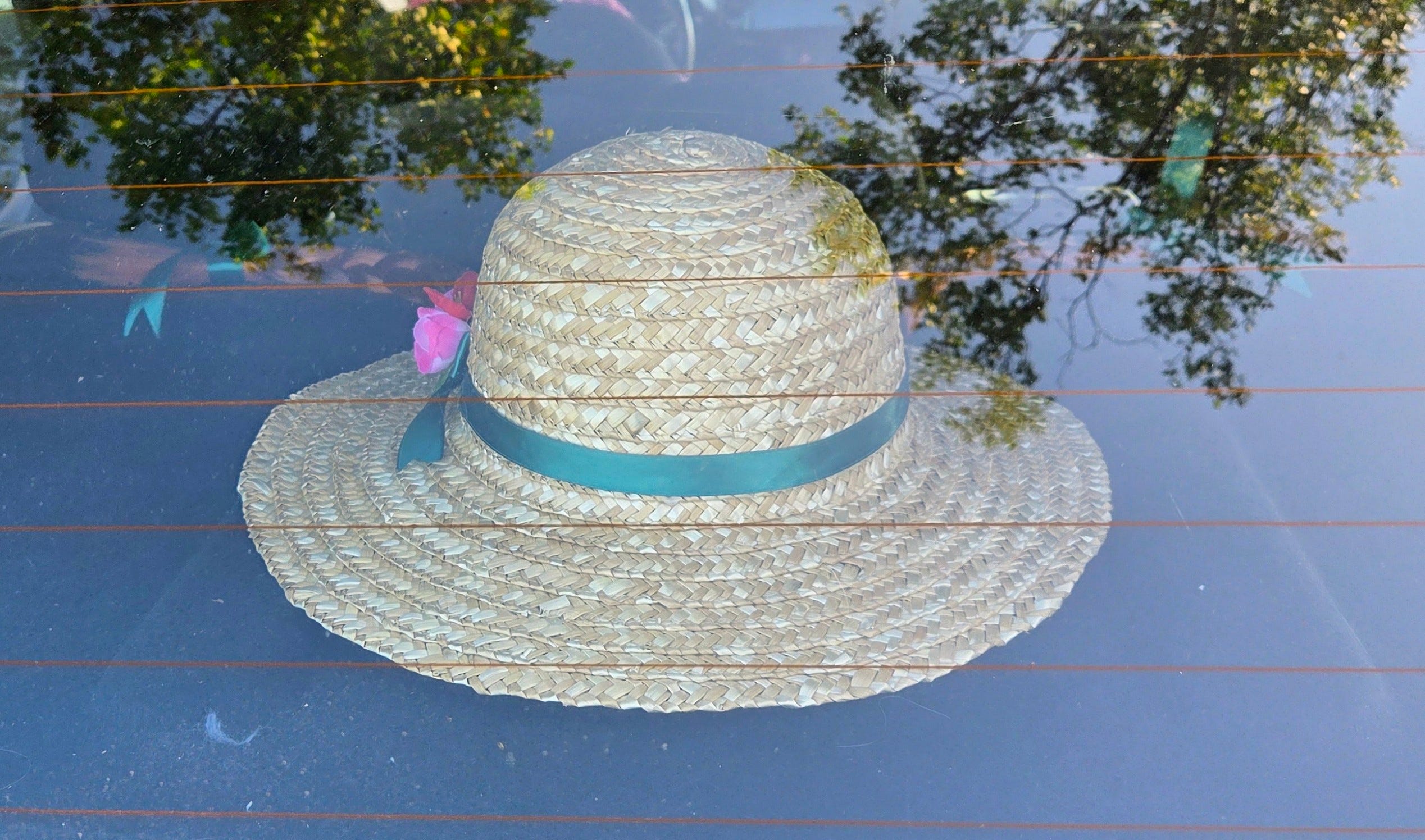
(Anne-hat, complete with pigtails, safe in the car.)
It’s been about a decade since I last visited the various Anne-sites and I was reminded once again of how actively Lucy Maud Montgomery managed her craft, her profession, and her image (and also, how deeply she loved and was rooted in“her” island).
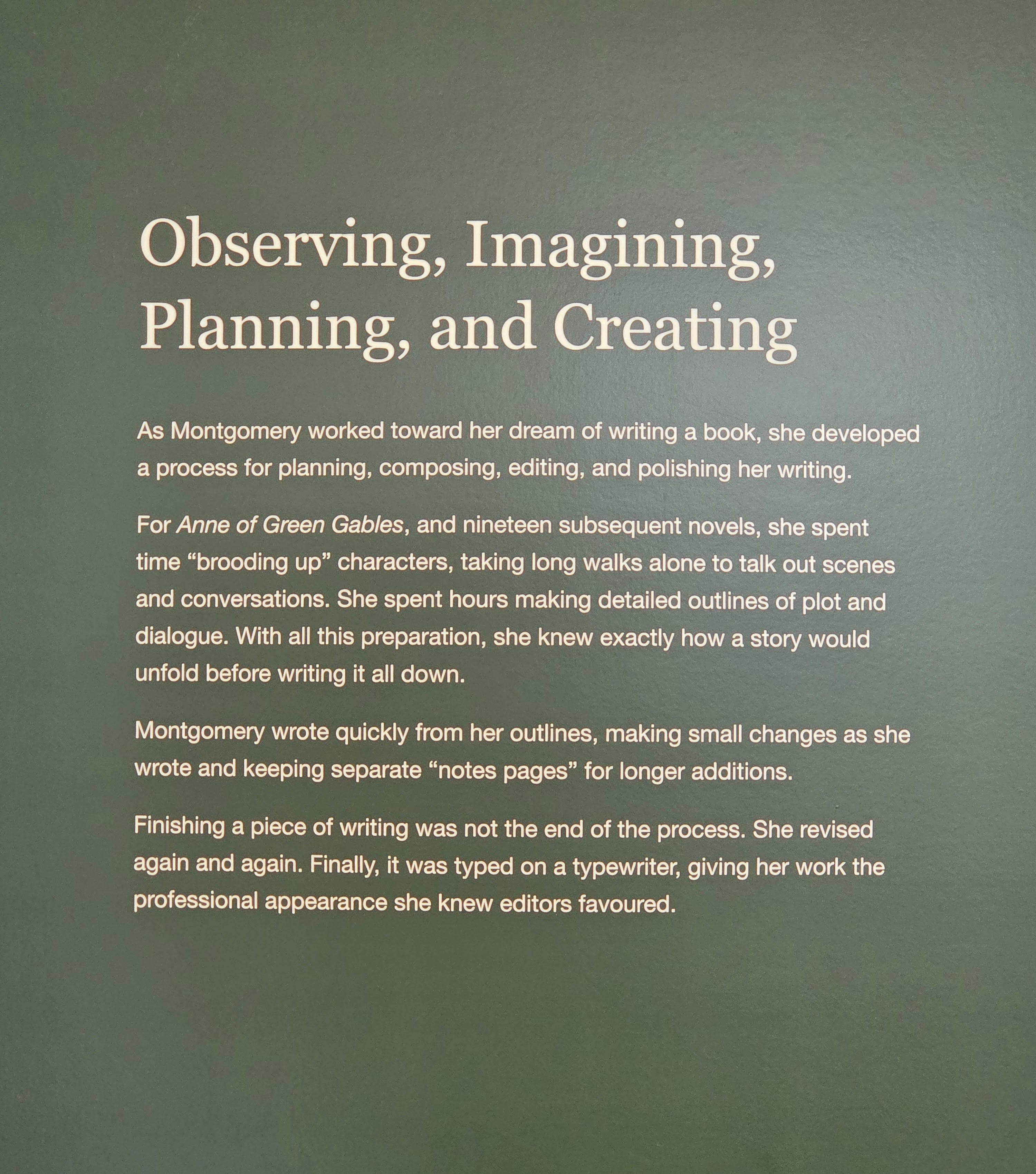
(one of the information boards at Green Gables Heritage Site)
There’s much more to be written about L.M.M. and her writing, and I’ll get there after I’ve had a chance to reflect on it, but for now I’m thinking, once again, about histories of motherhood, so perhaps you’ll indulge me on a very different journey, this one back to eighteenth-century France….
Once upon an eighteenth-century French time there was a four year old girl. The daughter of healthy parents, she also had two sisters. At birth, she was a healthy child. When she came home from the wetnurse, at around 21 months, she also appeared to be healthy. She spoke a few words, but seemed a bit high strung: loud noises made her cry out and it was almost impossible to calm her.
Things only seemed to get worse after this. By the age of two, she started grinding her teeth and seemed unable to focus her eyes on anything. Then she developed a cough.
And then the worms came.
Her family noticed that although she cried out often, she appeared to be comforted while passing worms.
Worms, worms and more worms. According to the attending physician, there was a “prodigious quantity” of these long, round creatures.
The worms appeared to have had an effect on her mental state, the doctor said: the girl had a good appetite and her digestive system seemed normal (except for the occasional bout of constipation), but her emotional state was out of balance. She worried and she experienced extreme emotional states, from bad moods to immoderate excitement, which was often accompanied by cries and a stiffness throughout her body. She ate anything, even garbage (!).
The doctor said she no longer spoke, and that she recognized no one. She seemed to enjoy song and it appeared to calm her. When her family caressed her face, she appeared to enjoy it.
What could be done with this suffering child? There was so much promise at the beginning, but just four years later, it all came down to this: worms and apparent dementia.
The attending physician who shared this case with the Swiss doctor, Samuel Auguste Tissot, suggested indirectly that the wetnurse was may be to blame. The family had heard that the nurse had the child consume a lot of milk, sometimes sour or otherwise compromised, as well as cottage cheese and salad. And, they also noted that the wetnurse’s children, as well as a “foreign” child she nursed, were also exposed to the worms (“foreign” is doing an awful lot of heavy lifting here…dog whistle much?)
From the doctor’s letter, the wetnurse appeared to be a locus for contagion: not only was this child ill, but the risks also extended to other children in the wetnurse’s care. Was her regimen to blame? Was her milk to blame? Were her moral behaviours suspect? Was her emotional stance appropriate? Did she eat healthy food?
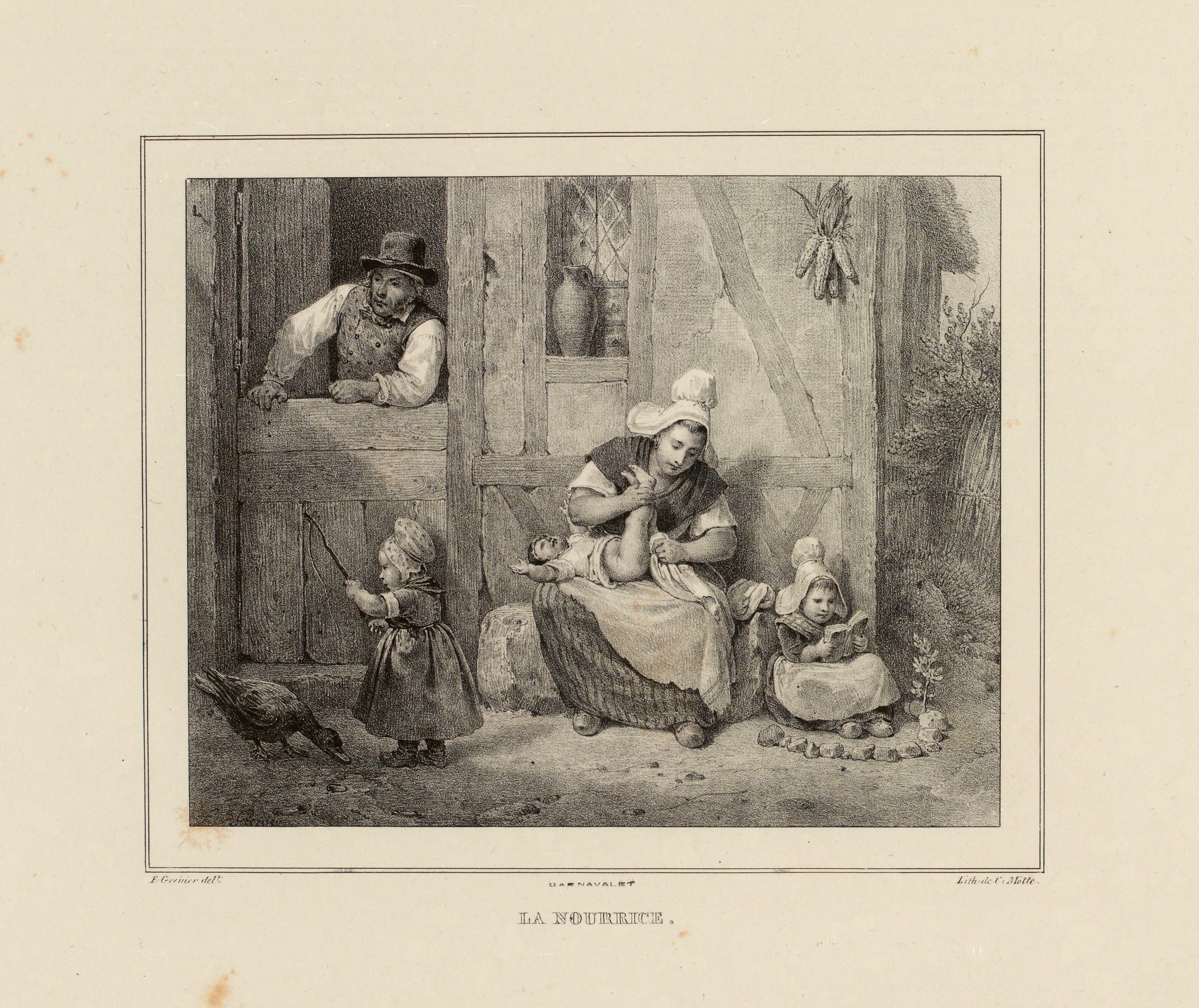
(Grenier de Saint-Martin, Francisque, “La Nourrice,” ca. 1827, Musée Carnavalet, CC0 1.0, via Wikimedia Commons)
Doctors, philosophers and moralists were alternately fascinated and repelled by wetnurses. And the legacy of wetnursing – the milk and later other foods consumed by the infant while under her care – was understood to leave a lasting legacy.
Milk and morality, worms and dementia, mercenary mother and innocent babe. Was there anything that could have helped this unfortunate child?
P.S. If you’re interested in breastfeeding, you can read a (scholarly) article on breastfeeding selfies that I co-authored with my friend, Beth Pentney, here.
© Sonja Boon, 2026
This post is 100% human-created. Generative AI is premised on the theft of creative labour and relies on continued exploitative labour and environmental destruction. I do not use generative AI to research, write, develop, revise, or edit any of my work.
What happened to the worm-ridden child?? You’ve left us hanging on that one.
I am an Anne of Green Gables SUPERFAN!!!! What a great visit! Also, this cliffhanger ending is killing me I need to know this worm child’s future! Thank you for your dive into wetnurses- I am finding this fascinating.